Typical Priorities
- Stable storage for electrical, mechanical, and preventive maintenance tools.
- Clear lock ownership and fast identification during shift handoff.
- Durable work surfaces for inspection, repair, and spare-part staging.
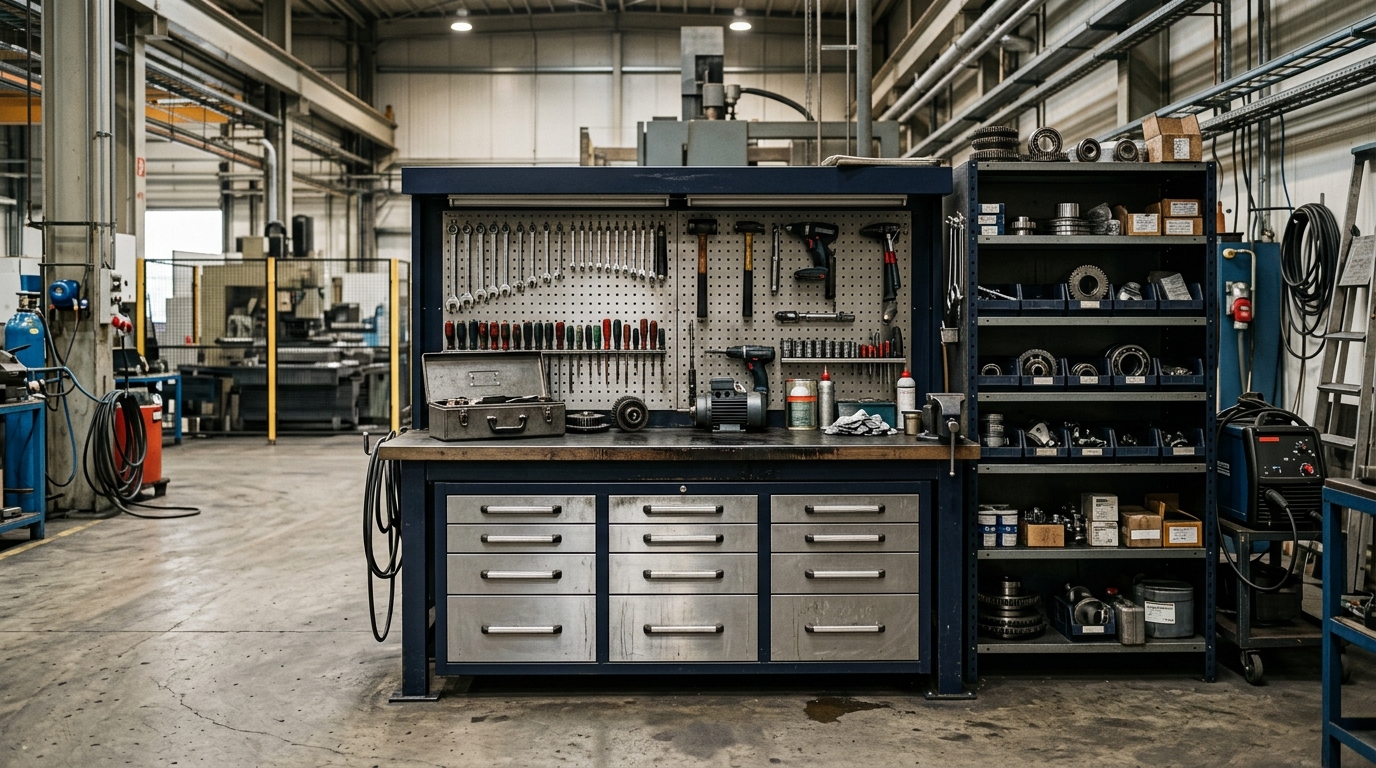
Industrial maintenance projects are less about display and more about dependable access, lock discipline, and a clean split between tools, parts, and active repair surfaces. A compact rolling cabinet often works best when paired with fixed benches or pegboard stations near planned maintenance zones.
These are the details buyers usually need to lock before moving the discussion into sampling, pricing, or a broader assortment conversation.
These models match the route well, but the point is not to force one SKU. The goal is to shorten the first discussion by starting from platforms that already fit the scene.
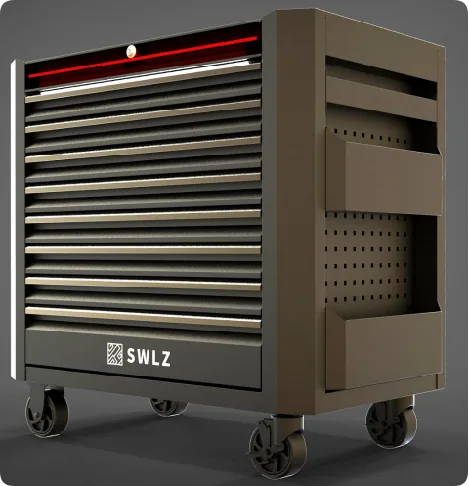
Useful for maintenance teams that need a smaller mobile cabinet without giving up secure drawer-based organization.
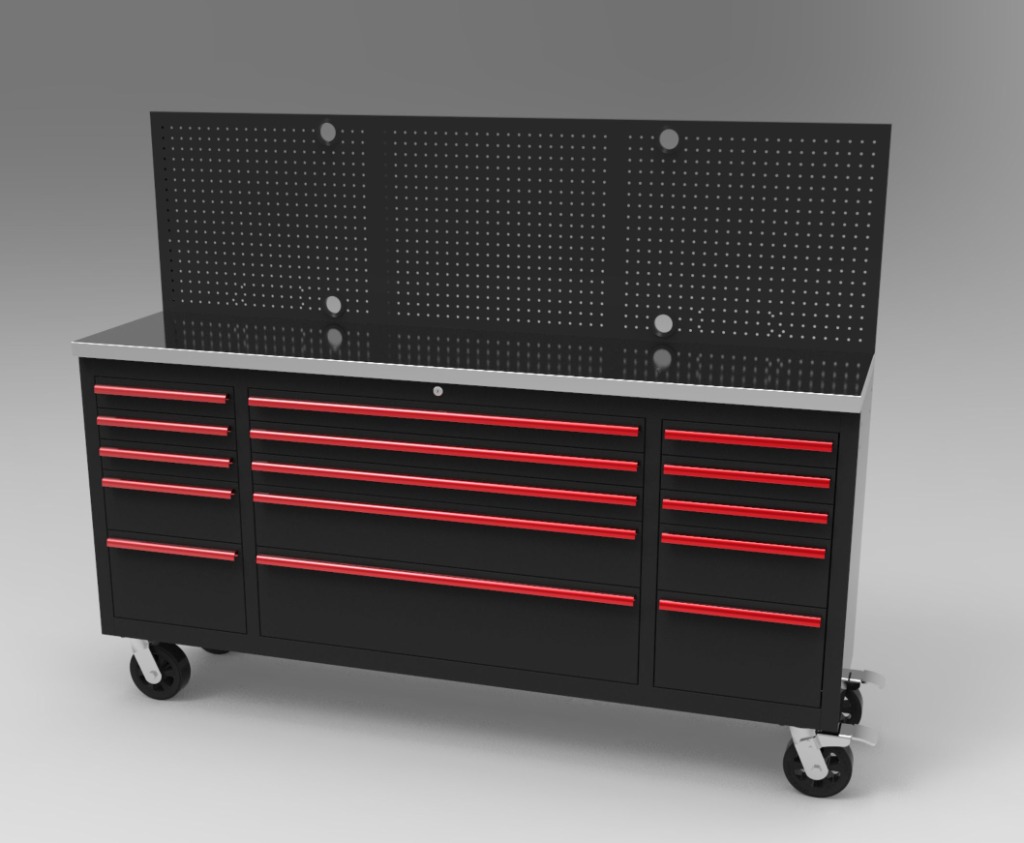
Strong fit for team maintenance corners where visible tool return and bench work matter more than pure mobility.
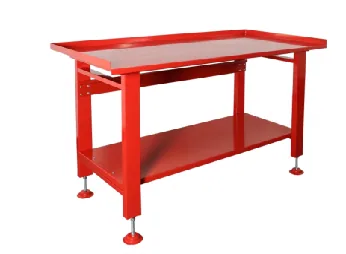
Ideal when teams need a rugged work surface with open lower access for fast parts staging and repetitive maintenance tasks.
These supporting reads help buyers go deeper into qualification, supplier control, or project planning without jumping straight into a quote request.

Useful when the maintenance team is still comparing broad cabinet, bench, and workstation directions.
Read Article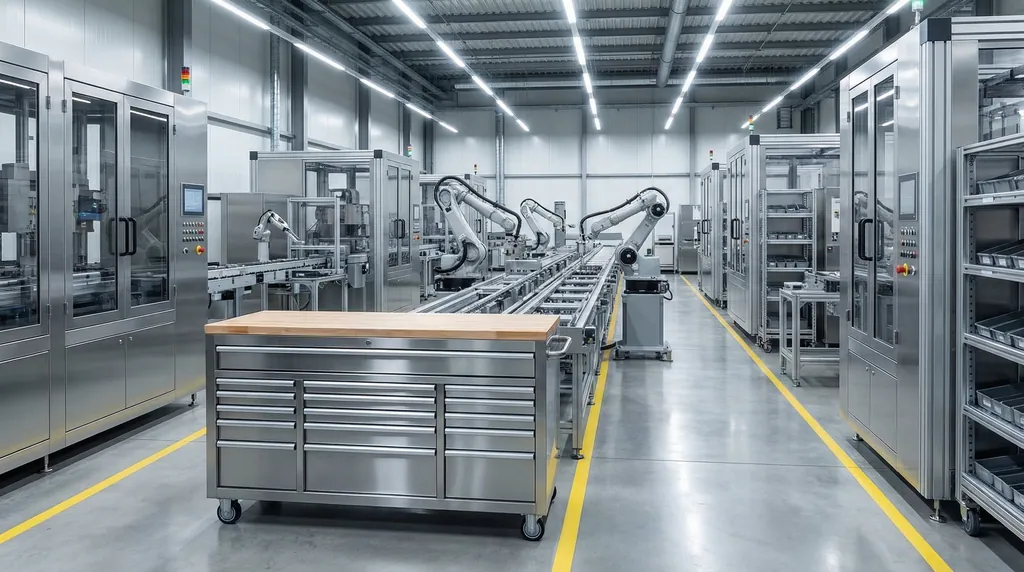
Helpful for teams replacing a current supplier without risking spare-parts or service continuity.
Read ArticleIf this route is close but not exact, these pages usually help narrow the decision faster than jumping back to the full catalog.
Manufacturing cells, assembly lines, and standardized work areas that need repeatable storage logic across multiple stations.
Application 01Auto repair workshops that need technician-owned storage, fast bay turnover, and daily rolling access.
Hub PageCompare all five routes together before you move back into specific product or RFQ discussions.
These are the questions that typically come up before teams decide whether they need a standard recommendation or a more customized proposal.
Use a mixed layout when the team needs both roaming access and a stable maintenance zone for inspection, spare parts, and heavier bench work.
It matters when tools are shared across shifts or crews. Clear lock ownership helps reduce tool loss, shift handoff friction, and downtime.
Yes. Pegboards, upper storage, and power modules often improve visibility and workflow in fixed maintenance corners or utility rooms.
The fastest way to get a useful recommendation is to describe the workspace, expected quantity, destination market, and whether the request stays platform-based or needs OEM and ODM changes.