Typical Priorities
- Repeatable station dimensions for easier factory planning and training.
- Durable worktops for assembly, inspection, and controlled tool handoff.
- Matching visual language across cabinets, benches, and accessories.
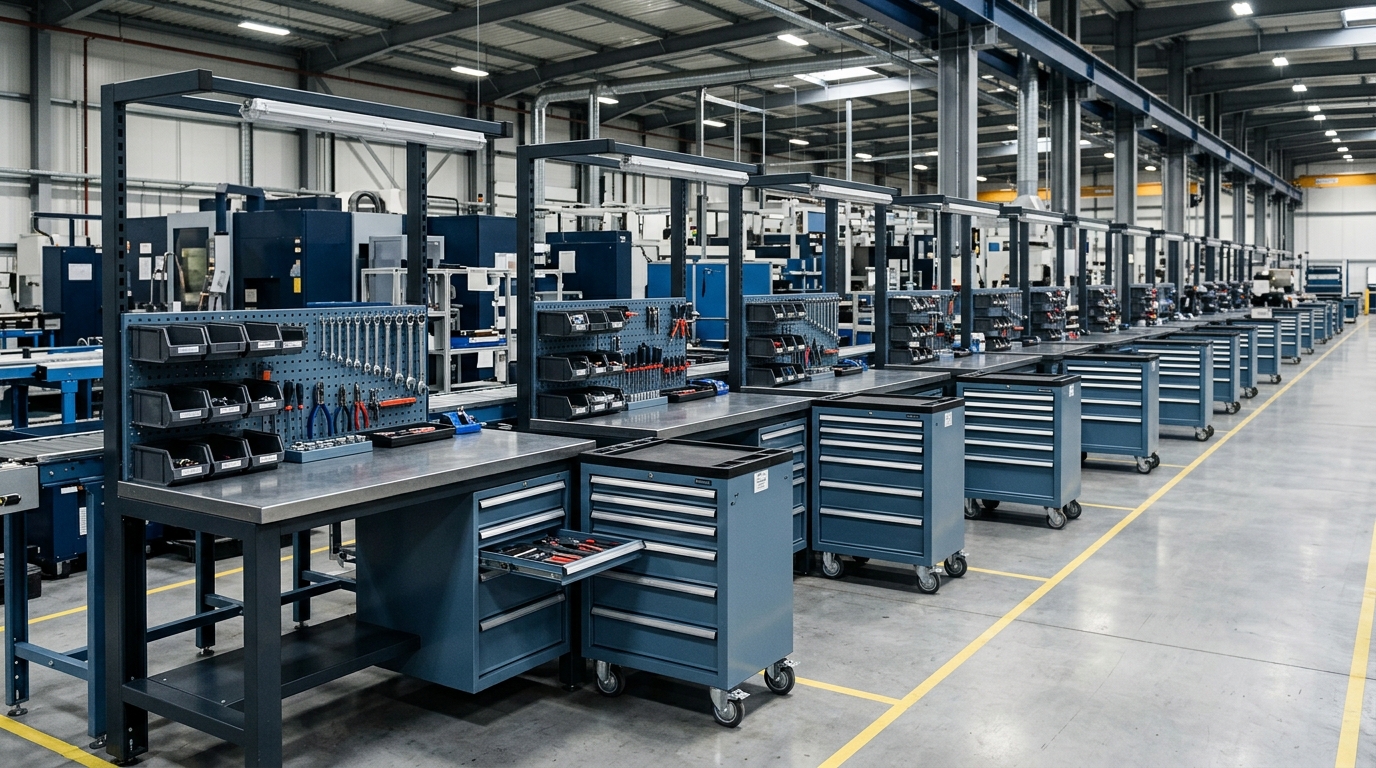
Manufacturing storage projects benefit from repeatable station logic. Instead of one oversized cabinet, teams often need a consistent family of workbenches and cabinets that can be repeated across cells, assembly zones, testing islands, or model-specific production lines.
These are the details buyers usually need to lock before moving the discussion into sampling, pricing, or a broader assortment conversation.
These models match the route well, but the point is not to force one SKU. The goal is to shorten the first discussion by starting from platforms that already fit the scene.
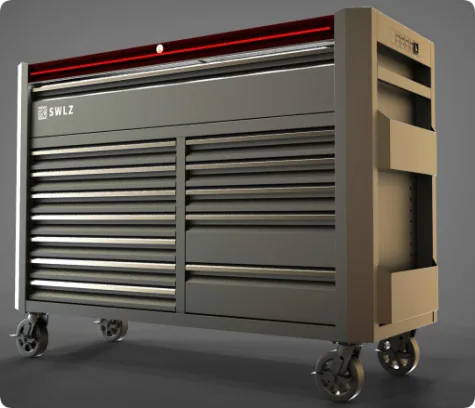
Works well for production cells that need powered worktops, organized drawers, and a more complete bench-like footprint.
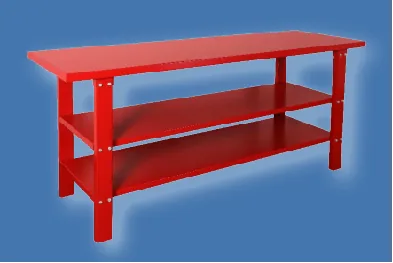
A strong option for line-side work where surface area, open access, and standardized operator organization matter.
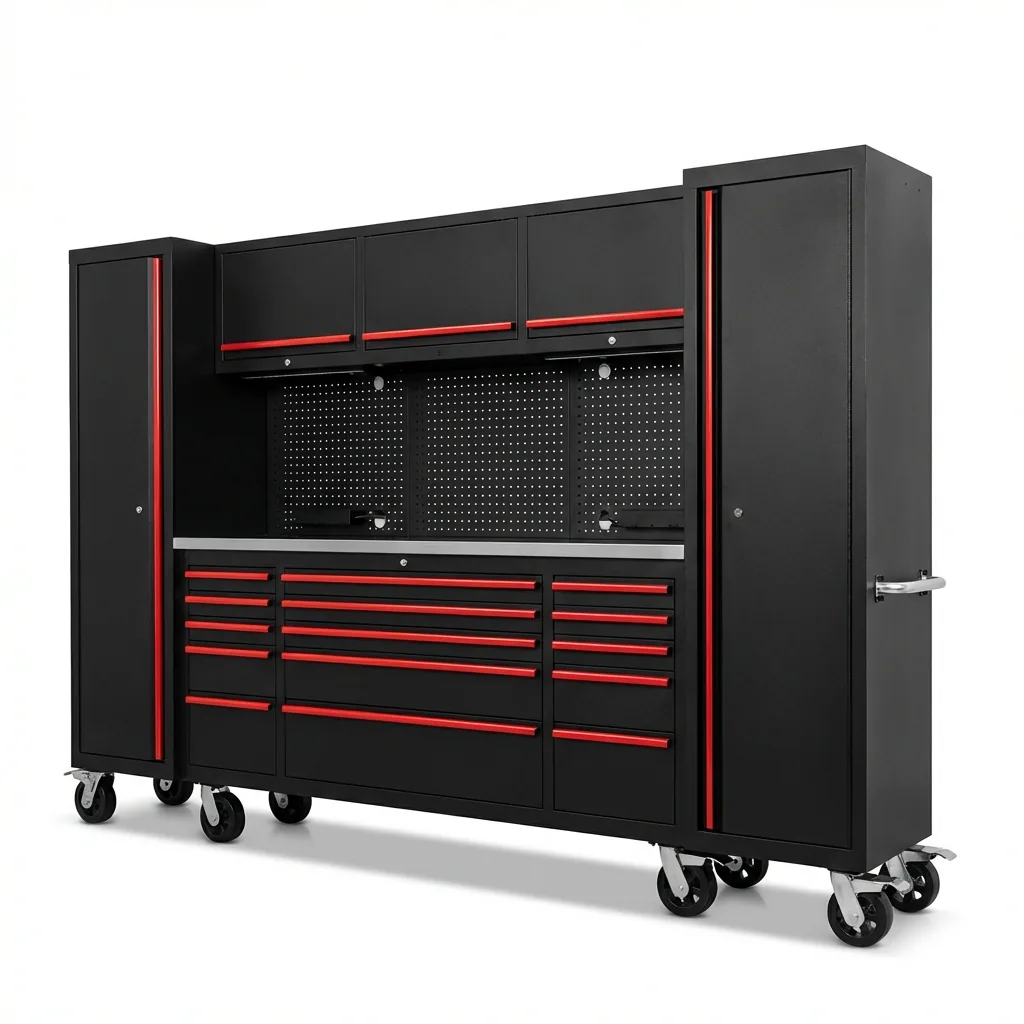
Best for central stations, advanced assembly cells, and high-density tool control where maximum storage is justified.
These supporting reads help buyers go deeper into qualification, supplier control, or project planning without jumping straight into a quote request.

A practical overview for buyers comparing cabinet, bench, and workstation structures before standardizing a line.
Read Article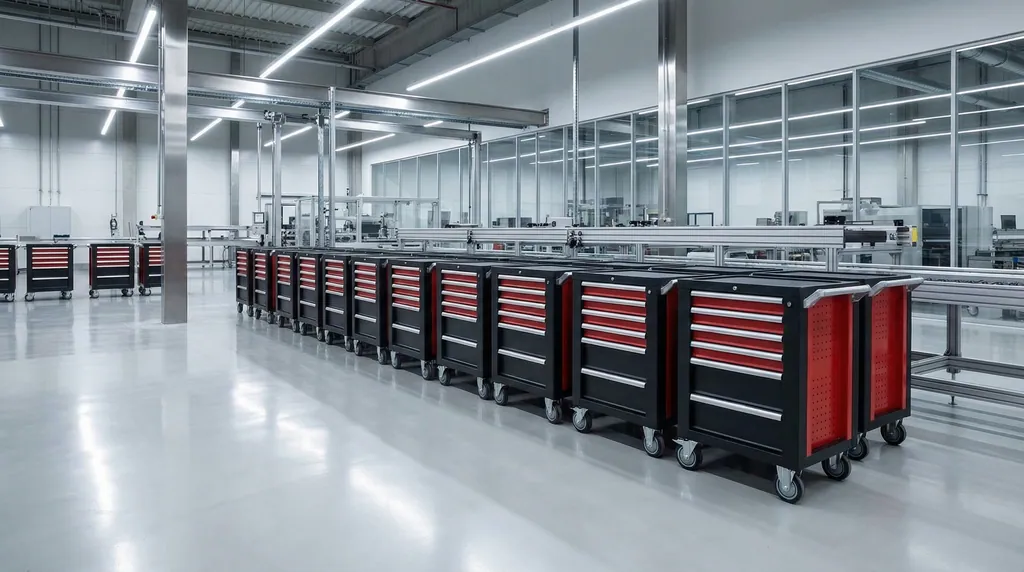
Useful when manufacturing buyers are still qualifying supplier controls and pilot-readiness.
Read ArticleIf this route is close but not exact, these pages usually help narrow the decision faster than jumping back to the full catalog.
Plant maintenance teams, MRO corners, and utility support areas with shared tools and uptime-critical tasks.
Application 04Distributors, dealer buyers, and channel teams building a balanced product story across showroom, catalog, and quote use cases.
Hub PageCompare all five routes together before you move back into specific product or RFQ discussions.
These are the questions that typically come up before teams decide whether they need a standard recommendation or a more customized proposal.
Large cabinets can add cost and reduce repeatability. Manufacturing teams usually benefit more from a repeatable family of benches and lower modules that fit each cell cleanly.
Consistent dimensions, drawer logic, surface height, and accessory placement make it easier to train operators and scale the same layout across multiple lines.
Use a flagship station where one cell needs centralized control, higher-density storage, or a stronger tool-management point than the rest of the line.
The fastest way to get a useful recommendation is to describe the workspace, expected quantity, destination market, and whether the request stays platform-based or needs OEM and ODM changes.